Breastfeeding
Human milk provides recognized health benefits for lactating parent and child. Infants that are formula fed are at risk for increased incidence of numerous infectious childhood diseases, SIDS, type 1 and 2 diabetes, and childhood obesity. Breastfeeding/chestfeeding reduces the incidence of postpartum bleeding, breast and ovarian cancer, metabolic syndrome, hypertension, diabetes, and heart disease.
The importance of breastfeeding/chestfeeding has been acknowledged and promoted by numerous national and international physician organizations including: American Academy of Pediatrics, American Academy of Family Physicians, American Congress of Obstetricians and Gynecologists, Academy of Breastfeeding Medicine.
The United States Preventive Services Task Force recommends interventions during pregnancy and after birth to promote and support breastfeeding/chestfeeding. The Surgeon General released a call to action to support breastfeeding/chestfeeding.
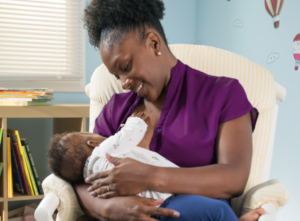
Opportunities for Pediatricians to Address Racism and Bias to Reduce Racial Disparities in Breastfeeding and the Use of Human Milk: Policy Statement
Pediatricians play an essential role in breastfeeding care and are uniquely positioned to help reduce racial disparities in breastfeeding. View the July 2026 AAP Policy Statement with evidence-based solutions, including partnerships between pediatricians and community health workers, implementation of culturally centered hospital practices, securing fair payment for lactation services and supplies, practices that discourage commercial milk formula marketing in clinical settings, and ongoing learning about breastfeeding in different cultures.
Illinois Medicaid Coverage for Lactation Support Services and Doulas
View the presentation recording from ICAAP's Committee on Breastfeeding meeting on February 19, 2025 to learn more about Medicaid coverage for lactation support and doulas.
The Illinois Public Health Institute has also developed a step by step guide on becoming a Medicaid billing provider. This resource is for lactation support professionals or anyone who is certified in lactation support as a Doula/CLS/CLC or IBCLC. See the link below for the guide.
“We Can!” Strategies to Achieve Health Equity in Breastfeeding
Intended for Group and Individual Viewing
Presenters: Drs. Sahira Long, MD, IBCLC, FAAP, DABM and Jessica Nash, MD, IBCLC, Children's National Hospital
Topics: breastfeeding equity, culturally humble approaches to care, and strategies clinicians can implement in their practices to improve support

Note: Video content starts at ~2.50 minutes
Learning Objectives:
- Describe historical barriers to breastfeeding for all persons and specific to non-Hispanic Black families
- Recognize and address physicians own implicit biases
- Design a breastfeeding friendly physician office with a focus on reducing disparities in breastfeeding
Who Should Take This Webinar?
Pediatricians, obstetricians, family medicine physicians, residents, medical students, and other health care providers
This ICAAP education was developed in partnership with the Illinois Public Health Institute with support from both the Centers for Disease Control and Prevention and the Illinois Department of Public Health, Office of Women’s Health.
This recorded presentation does not include CME.
Illinois Projects and Reports
Illinois State Physical Activity and Nutrition (ISPAN) Grant
ICAAP is currently working on the Illinois State Physical Activity and Nutrition (ISPAN) Grant project in Peoria, IL to increase breastfeeding continuity rates amongst Black, rural and low-income families. In partnership with the Illinois Public Health Institute (IPHI) and the Illinois Alliance to Prevent Obesity (IAPO), this project has been successful in creating an unprecedented network of community partners who are working together in the Central Illinois area to provide breastfeeding education and support to families who are typically underserved. Referral systems developed by this program have resulted in connecting families with resources that both directly and indirectly help them reach their breastfeeding goals.
Illinois Department of Public Health: We Choose Health
Ten Steps Forward: Creating Baby-Friendly Communities in Illinois
Strategies for Successful Collaboration between Hospitals and Local Health Departments
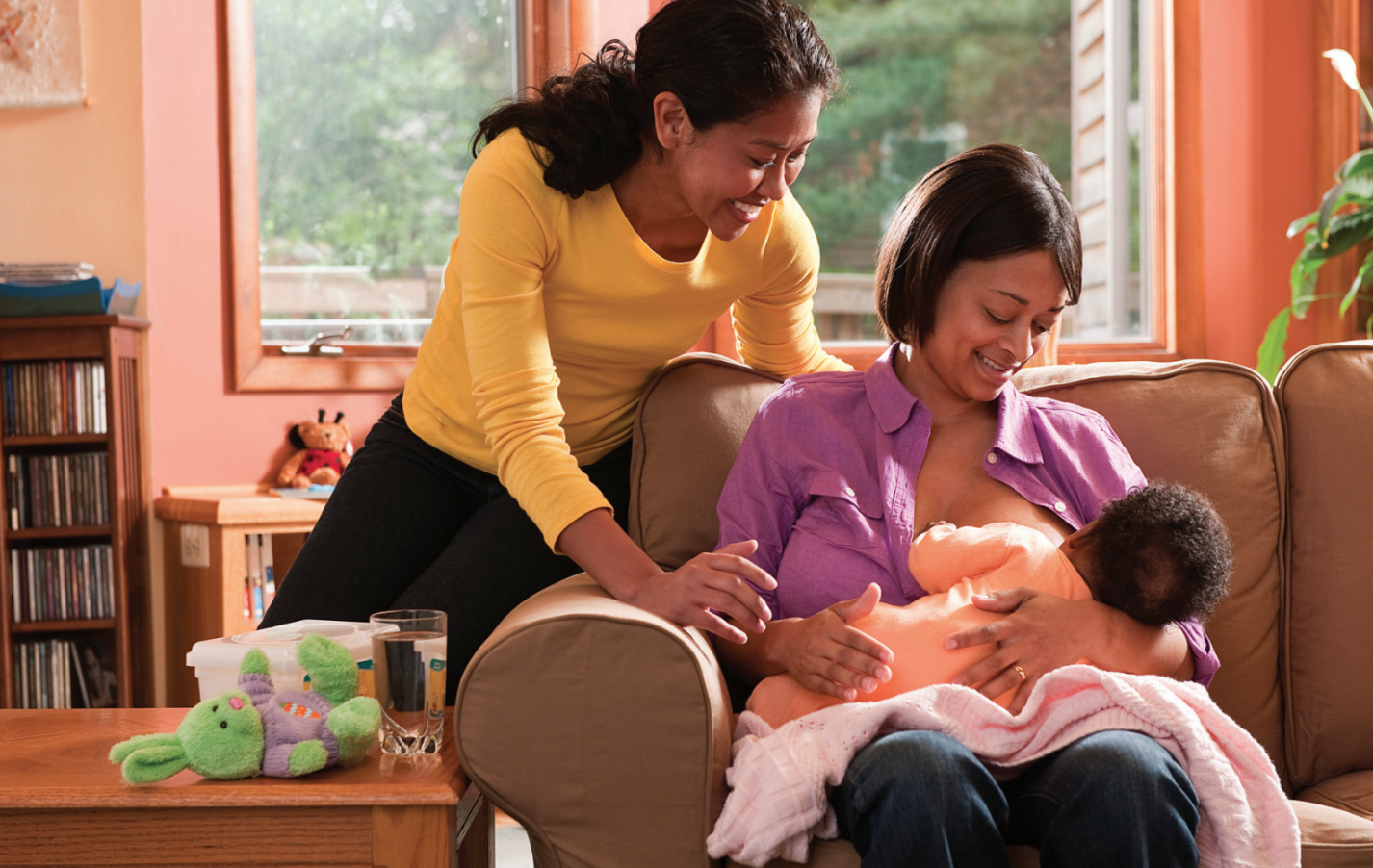
From 2012 through 2014, ICAAP provided technical assistance to 15 Illinois hospitals as they worked to achieve the Baby-Friendly Hospital designation by the end of 2016. The number of Baby-Friendly hospitals in Illinois increased from 3 in 2012 to 19 in 2017 with the majority of those hospitals receiving support through this project.
Illinois Breastfeeding Reports
Additional Resources
Baby Friendly Hospitals
The Baby-Friendly Hospital Initiative, developed by UNICEF and the World Health Organization, is a series of ten evidence-based steps designed to promote support for breastfeeding in maternity hospitals. More information can be found at the Baby-Friendly USA website.
Feeding Your Baby - A Whole Person Perspective
This resource shows the journey one might take if deciding to breastfeed. It displays questions and processes families should consider when bringing up this possible desire to a clinician or a lactation support professional.
Lactation Support Professionals and Clinicians can share this with prenatal and postpartum families.